
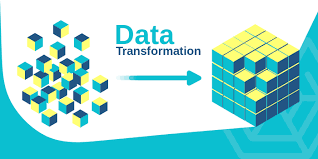
In today’s digital economy, data is no longer just a by-product of operations. It is a critical asset that shapes strategy, innovation, and competitiveness. However, many organisations struggle to unlock the full value of their data due to fragmented systems, poor data quality, and outdated processes. This is where data transformation becomes essential.
Data transformation enables organisations to modernise how data is collected, processed, managed, and used. By transforming data into accurate, accessible, and trusted information, organisations can improve decision-making, support digital transformation, and achieve long-term growth.
What Is Data Transformation?
Data transformation is the process of converting raw, fragmented, or unstructured data into consistent, usable, and valuable information. It involves cleaning, standardising, integrating, and enriching data so it can be analysed and used effectively across the organisation.
Data transformation is not just a technical activity. It also includes changes to governance, processes, and culture to ensure data is trusted and aligned with business objectives. When done correctly, data transformation turns data into a strategic asset that supports innovation and operational efficiency.
Why Data Transformation Matters for UK Organisations
UK organisations operate in an environment defined by rapid technological change, increasing customer expectations, and strict regulatory requirements such as UK GDPR. At the same time, businesses are investing in cloud platforms, analytics, automation, and artificial intelligence.
Without effective data transformation, these initiatives often fail to deliver expected benefits. Common challenges include inconsistent data, duplicated records, limited visibility, and compliance risks. Data transformation addresses these issues by creating a strong foundation for data-driven decision-making.
Key drivers for data transformation include:
- Poor data quality and inconsistency
- Siloed data across multiple systems
- Legacy platforms limiting scalability
- Increasing regulatory and compliance pressure
- Demand for real-time insights and analytics
Core Elements of Data Transformation
Data Integration
Data transformation brings together data from multiple sources into a unified and consistent view. This eliminates silos and enables organisations to gain a holistic understanding of operations, customers, and performance.
Data Cleansing and Standardisation
Inaccurate or inconsistent data reduces trust. Data transformation processes clean and standardise data, improving accuracy, completeness, and reliability.
Data Modernisation
Many organisations rely on legacy systems that limit agility. Data transformation supports migration to modern platforms such as cloud data warehouses and analytics environments.
Data Governance Alignment
Effective data transformation depends on strong governance. Clear data ownership, standards, and controls ensure transformed data remains secure, compliant, and trusted.
Automation and Scalability
Data transformation introduces automated processes that scale with data growth, reducing manual effort and improving efficiency.
The Role of Data Transformation in Digital Transformation
Digital transformation initiatives rely on high-quality data. Cloud migration, advanced analytics, automation, and AI all require data that is accurate, accessible, and well-managed.
Without data transformation, digital initiatives often fail due to poor data foundations. Data transformation ensures that digital technologies are supported by reliable data, enabling organisations to realise full value from their investments.
Business Benefits of Data Transformation
Organisations that invest in data transformation gain measurable and long-term benefits.
Improved Decision-Making
Transformed data provides accurate and timely insights, enabling leaders to make informed and confident decisions.
Operational Efficiency
Standardised and automated data processes reduce duplication, errors, and manual effort, lowering costs and improving productivity.
Enhanced Customer Experience
By integrating and transforming customer data, organisations gain better insights into behaviour and preferences, enabling more personalised and responsive services.
Stronger Compliance and Risk Management
Well-transformed data supports regulatory compliance by improving transparency, auditability, and control over sensitive information.
Greater Agility and Innovation
With trusted and accessible data, organisations can respond faster to market changes and experiment with new technologies and business models.
Data Transformation Challenges
While the benefits are clear, data transformation is not without challenges.
Legacy Systems
Outdated systems often limit integration and scalability, making transformation complex and time-consuming.
Poor Data Quality
Transforming poor-quality data without governance can amplify issues rather than solve them.
Lack of Clear Ownership
Without defined accountability, data transformation initiatives can stall or fail.
Cultural Resistance
Data transformation requires changes to how teams work with data, which can face resistance without effective change management.
Addressing these challenges requires a structured approach that combines technology, governance, and people.
Data Transformation and Data Governance
Data transformation and data governance are closely linked. Governance provides the rules and accountability needed to ensure transformed data remains accurate, secure, and compliant.
Without governance, data transformation efforts often lead to short-term improvements but long-term inconsistency. Strong governance ensures data transformation delivers sustainable value.
Industries Benefiting from Data Transformation
Data transformation is valuable across all sectors, but particularly important in:
- Financial services and banking
- Healthcare and life sciences
- Retail and e-commerce
- Education and research
- Public sector and local government
- Technology and SaaS
These sectors manage large volumes of complex or regulated data and rely heavily on accurate insights.
Data Transformation in the Public and Private Sectors
In the public sector, data transformation improves service delivery, transparency, and policy-making. In the private sector, it drives competitiveness, innovation, and customer engagement.
Across both sectors, data transformation supports efficiency, resilience, and better outcomes.
The Long-Term Value of Data Transformation
Data transformation is not a one-time project. As data volumes grow and technologies evolve, transformation must continue. Organisations that treat data transformation as an ongoing capability achieve greater resilience and adaptability.
Long-term value includes:
- Sustainable data quality and consistency
- Stronger data-driven culture
- Improved return on digital investments
- Greater organisational agility
- Enhanced trust in data
The Future of Data Transformation in the UK
As artificial intelligence, automation, and advanced analytics become more widespread, the importance of data transformation will continue to grow. Regulators are also placing greater emphasis on accountability and transparency, making well-managed data essential.
UK organisations that invest in robust data transformation today will be better prepared to manage future complexity and remain competitive.
Conclusion
In a data-driven world, raw data alone is not enough. Data transformation enables organisations to convert fragmented and inconsistent data into trusted, valuable information that supports decision-making and innovation.
By improving data quality, integrating systems, and aligning governance with business goals, data transformation creates a strong foundation for digital success. For organisations seeking long-term growth, compliance, and resilience, investing in data transformation is no longer optional it is essential.